The underground diaphragm wall is a common earth-retention method in Taiwan, characterized by high rigidity and excellent watertightness. It ensures high safety during deep excavation and serves directly as the basement’s exterior wall, becoming an integral part of the building’s primary structure. Its core functions include enhancing overall structural strength, providing essential support and stability, and dissipating external forces such as seismic loads and wind pressure. Without the protection of a diaphragm wall during site excavation, surrounding soil and groundwater could seep into the site, leading to ground subsidence, road tilting, or structural collapse due to soil loss.
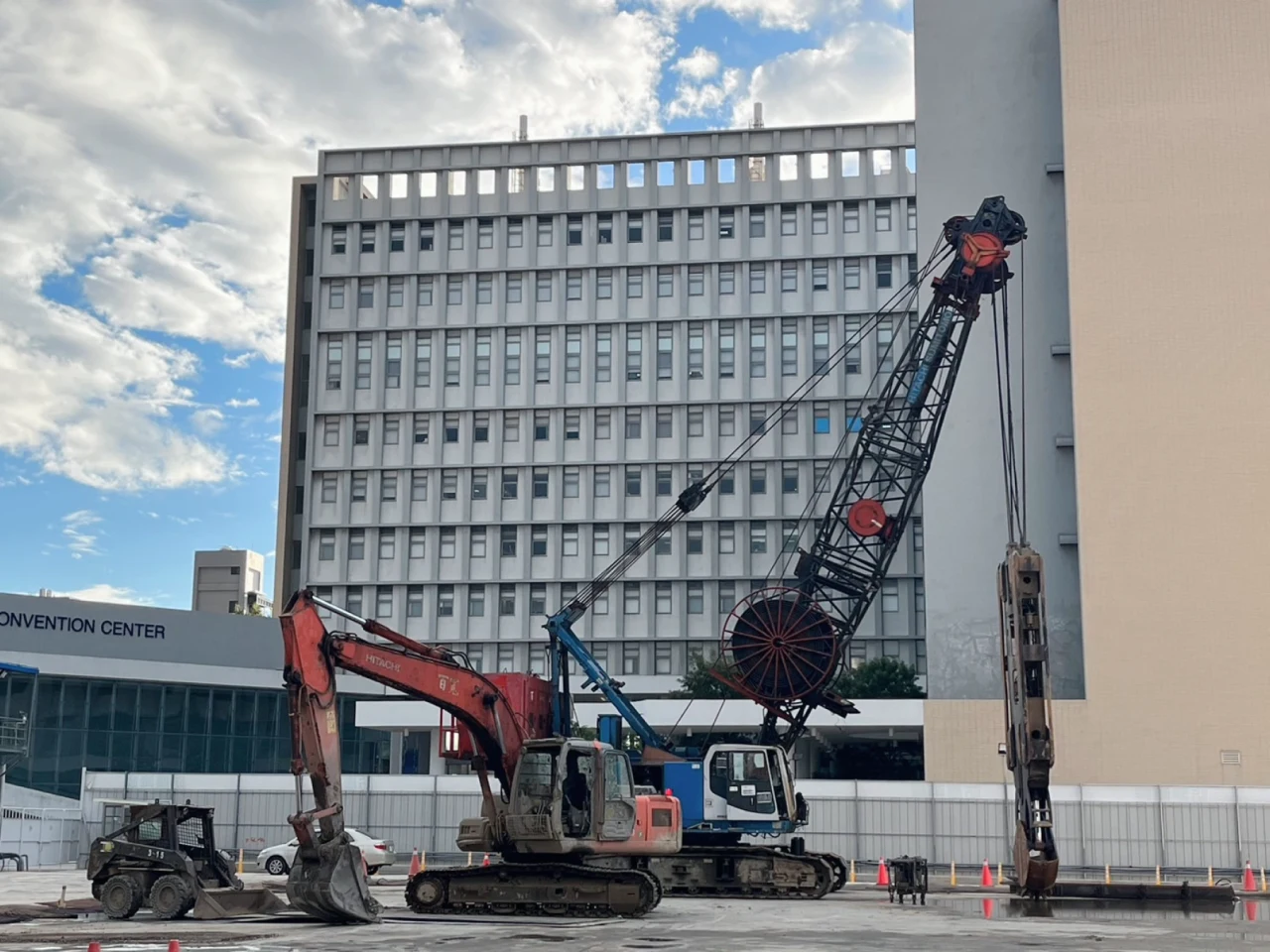
The construction of Jumin Hospital utilizes the MASAGO Method for its diaphragm walls. This technique employs a powerful hydraulic system to drive bucket closure, preventing the impact damage to the wall body common in traditional methods and allowing for deeper excavation. Although the MASAGO method entails higher costs and longer construction periods, choosing this approach reflects Jumin Hospital’s profound emphasis on engineering quality and safety. We have opted to invest greater resources to ensure construction stability and precision, allowing the diaphragm walls to provide reliable structural support for the building for decades to come.
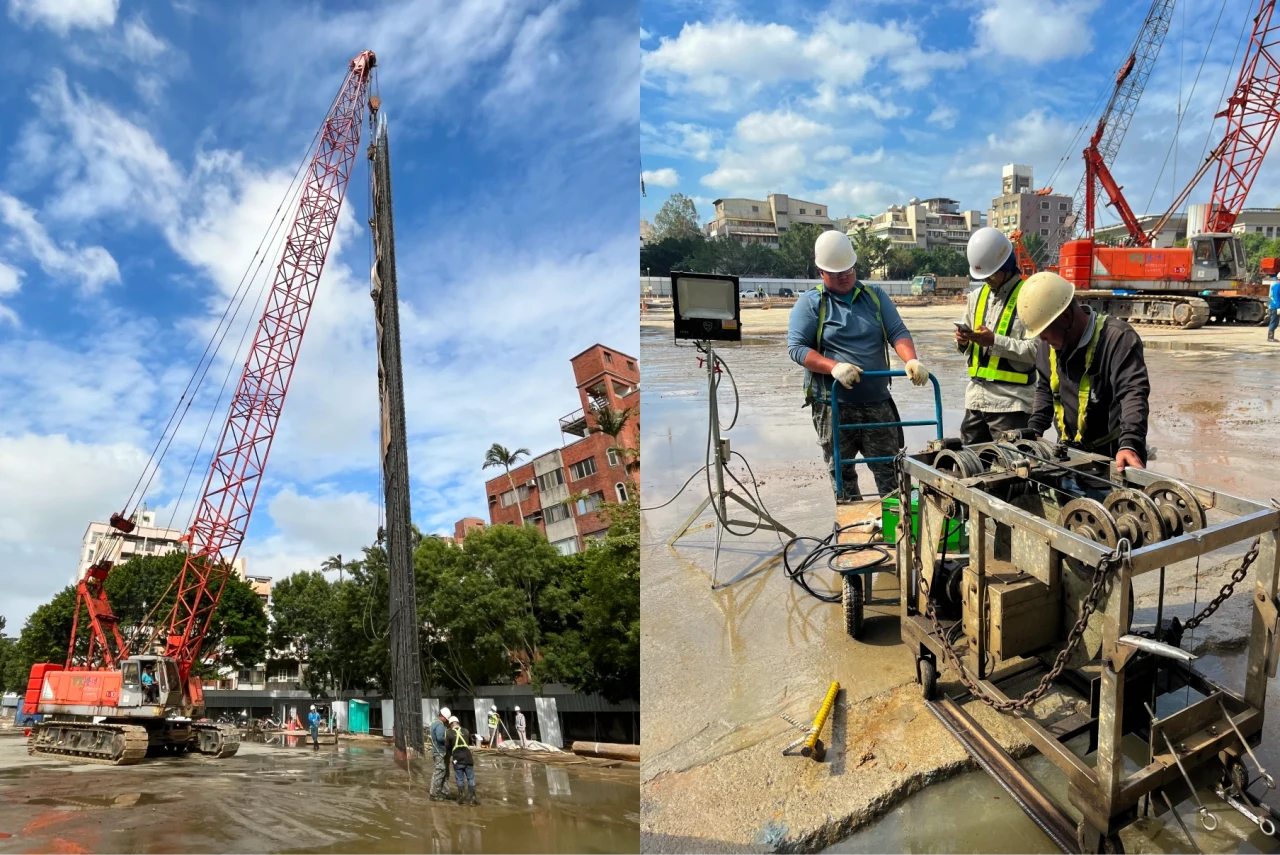
To prevent accidents and ensure the safety of diaphragm wall construction, the following protocols are strictly enforced:
I. Pre-construction: A comprehensive assessment of geological conditions, soil stability, and the surrounding environment is conducted. Based on these results, a tailored engineering plan is formulated to ensure that construction does not adversely affect neighboring structures or the environment.
II. During Construction: Safety regulations and operating procedures are strictly followed. Contractors and personnel must adhere to the site plan, with real-time safety inspections and monitoring implemented to identify and mitigate potential risks immediately.
III. Post-construction: Regular monitoring of the hospital building, surrounding structures, and road surfaces is required. If any signs of tilting or subsidence are detected, immediate corrective measures will be taken to guarantee long-term structural stability and safety.