Architecture speaks quietly. Take a moment to experience it, and its meaning unfolds on its own.
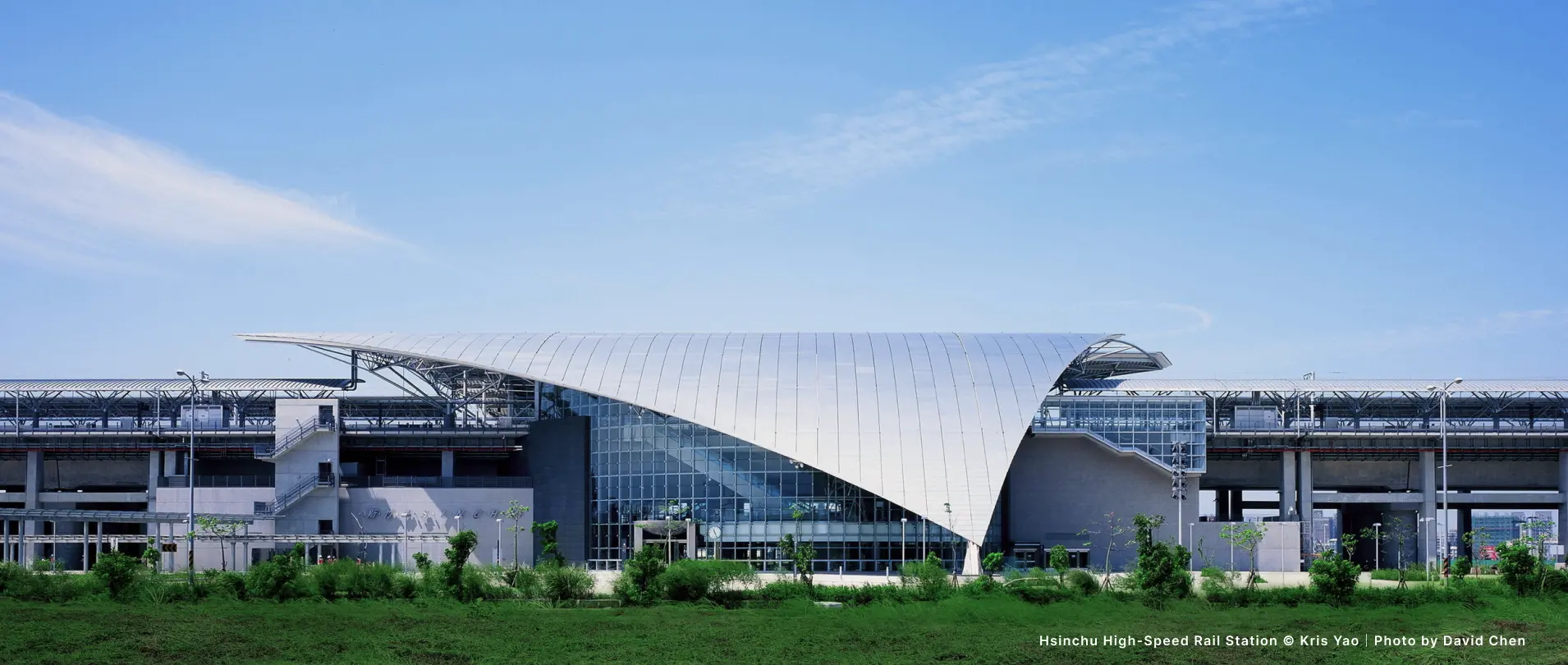
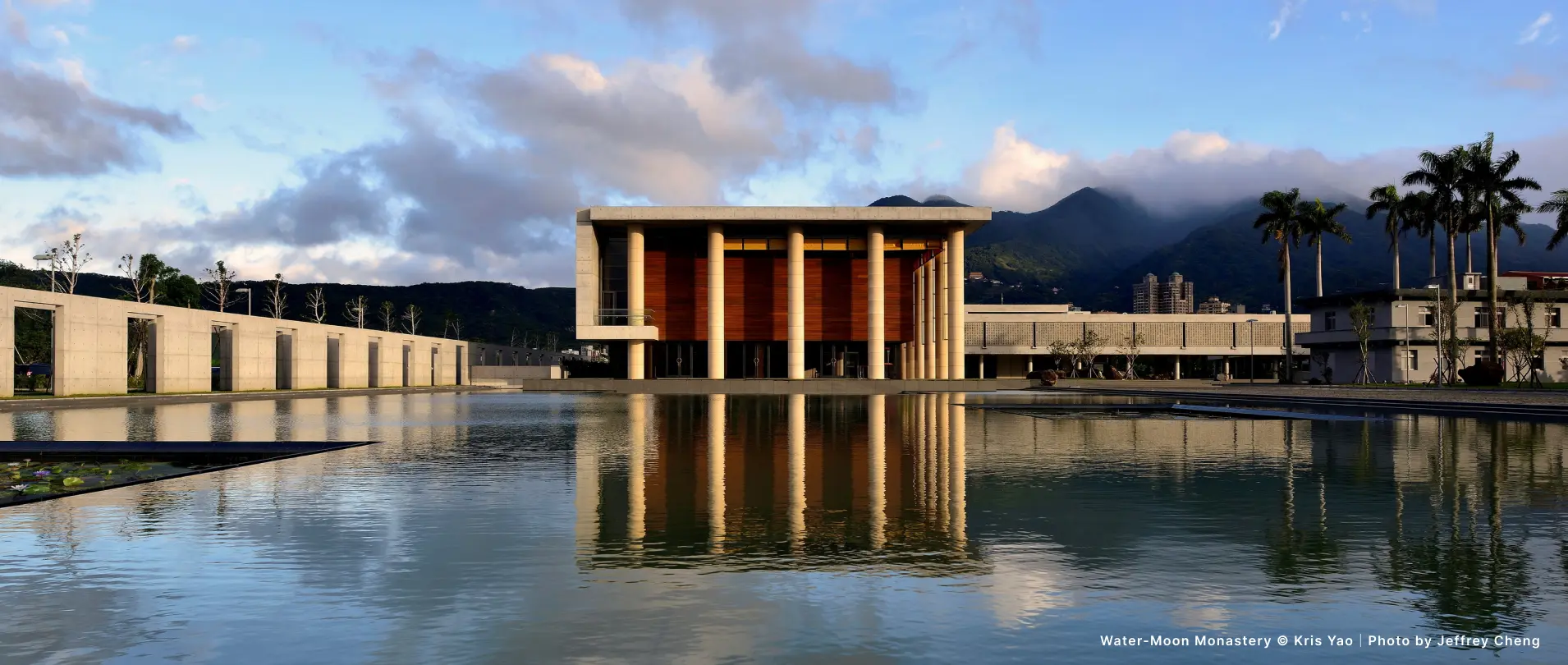
Whether in distinctive contemporary forms or in public buildings shaped by historical character, Kris Yao’s work reflects a keen sensitivity to space and light.
For Kris Yao, architecture becomes truly meaningful when it resonates naturally with people and evokes a genuine, powerful response. This is what he finds both compelling and deeply moving. To weave the character of a place, the depth of its history, and its cultural context into design that people can truly feel is one of the architect’s greatest challenges.
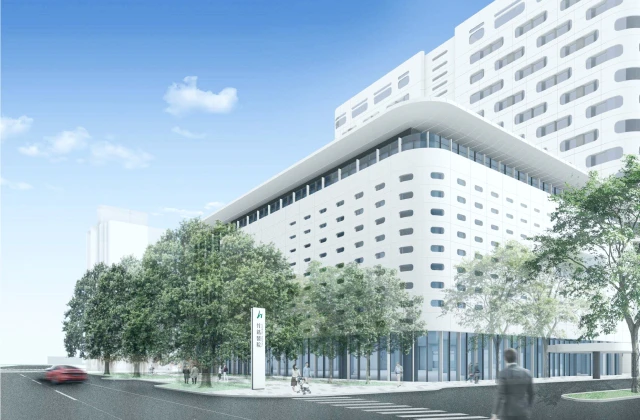
Hospitals are not places people visit without reason. A visit often carries uncertainty and anxiety. Through the use of natural light, thoughtful circulation, and spatial design, Jumin Hospital seeks to ease this burden. It creates an environment of calm, comfort, and reassurance, with care extended to the mental well-being of every visitor.
Kris Yao, the first recipient of an Honorary Doctor of Arts from NYCU in 2024, will shape Jumin Hospital as a gem of healthcare architecture.
(Left: KRIS YAO | ARTECH, photo by Liao Chih-Tien)
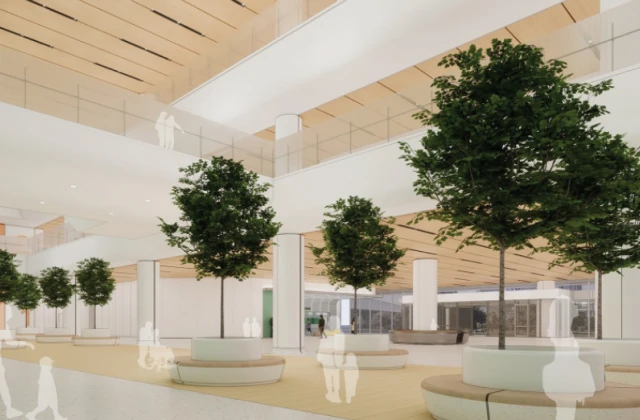
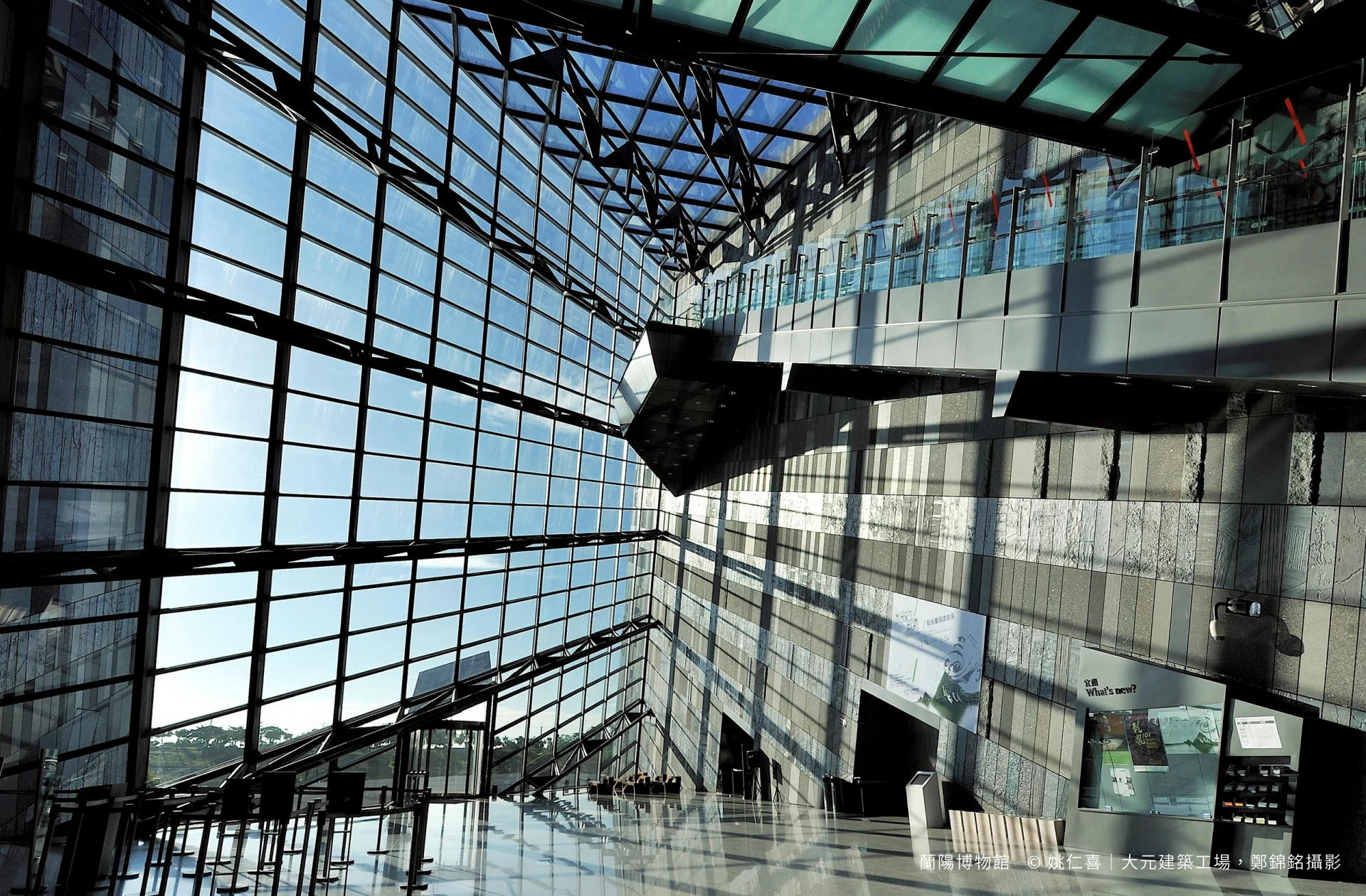
Time spent in hospital can often bring feelings of anxiety and uncertainty. By incorporating soaring ceiling heights and thoughtfully designed atriums, abundant natural light, open spatial layouts, and clear wayfinding ,the architecture becomes intuitive and easy to navigate. This intuitive clarity helps patients and their families navigate with ease, reducing disorientation and emotional strain. With a strong emphasis on spatial guidance, the design allows visitors to find their way naturally and comfortable. The result is a healthcare environment where every arrival feels reassuring, and where comfort and calm quietly take shape.
A Healing Experience That Settles Both Body and Mind
A hospital should not be merely a place for treating illness. It should be a true healing environment, where the needs and , emotions and dignity of patients are thoughtfully considered. By introducing greenery, soft curves, and warm timber elements, the design creates a gentle and welcoming aesthetic. The principles of a friendly and inclusive public environment are thoughtfully woven into the fabric of the hospital.
In doing so, the space naturally grounds people’s minds. It offers patients and their families warmth, comfort, and reassurance, while providing medical professionals with an efficient and highly functional workplace. Together, these elements support better care, elevate the quality of medical services, and nurture overall well-being.
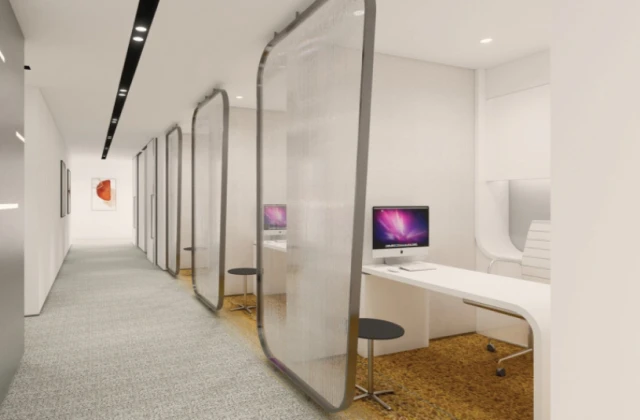
Safeguarding medical privacy is fundamental to the patient experience. Beyond streamlining procedures and reducing waiting times, thoughtful design must also provide stronger layers of privacy, reinforcing a sense of trust within the patient–caregiver relationship. Through careful spatial planning, appropriate distances help separate different functional zones with clarity. The distinction between on-stage and off-stage areas defines circulation routes for the public and medical staff. This allows patients, families, and healthcare professionals can navigate the space more effectively, with less congestion and fewer unnecessary interruptions. This produces a more efficient and secure healthcare environment, where patient privacy is carefully protected and the overall care experience is enhanced.
A range of green building strategies have been cleverly integrated into the planning of Jumin Hospital. For instance, the air-conditioning system adopts next-generation eco-friendly HFO refrigerants, reducing environmental impact. Public restrooms are equipped with low-level exhaust systems that effectively manage indoor air quality and enhance user comfort. To improve accessibility, vehicle circulation is contained within the site, minimizing disruption to surrounding roads. At the same time, sidewalk greenery is preserved and extended, connecting the hospital with its surroundings to form a continuous urban green corridor that supports community integration and a more comfortable living environment.
By integrating novel smart healthcare systems with human-centered interior design, technology is seamlessly woven into the architecture, quietly connecting every layer of the environment. Medical services become an intuitive part of the space itself. In areas such as waiting, registration, pharmacy dispensing, payment, smart communication systems help reduce waiting times and prevent congestion. Within patient rooms, integrated smart healthcare technologies enable real-time data visualization and health monitoring, supporting more precise treatment and attentive care.