
Emotions Find Their Dwelling in Architecture, Life Quietly Unfolds There
Kris Yao graduated from the Department of Architecture at Tunghai University in 1975, and earned a Master of Architecture from University of California, Berkeley in 1978. He is the founder of KRIS YAO | ARTECH, with offices in Taipei and Shanghai. His works span Greater China, with projects also realized in the United States, Europe, and South Asia.
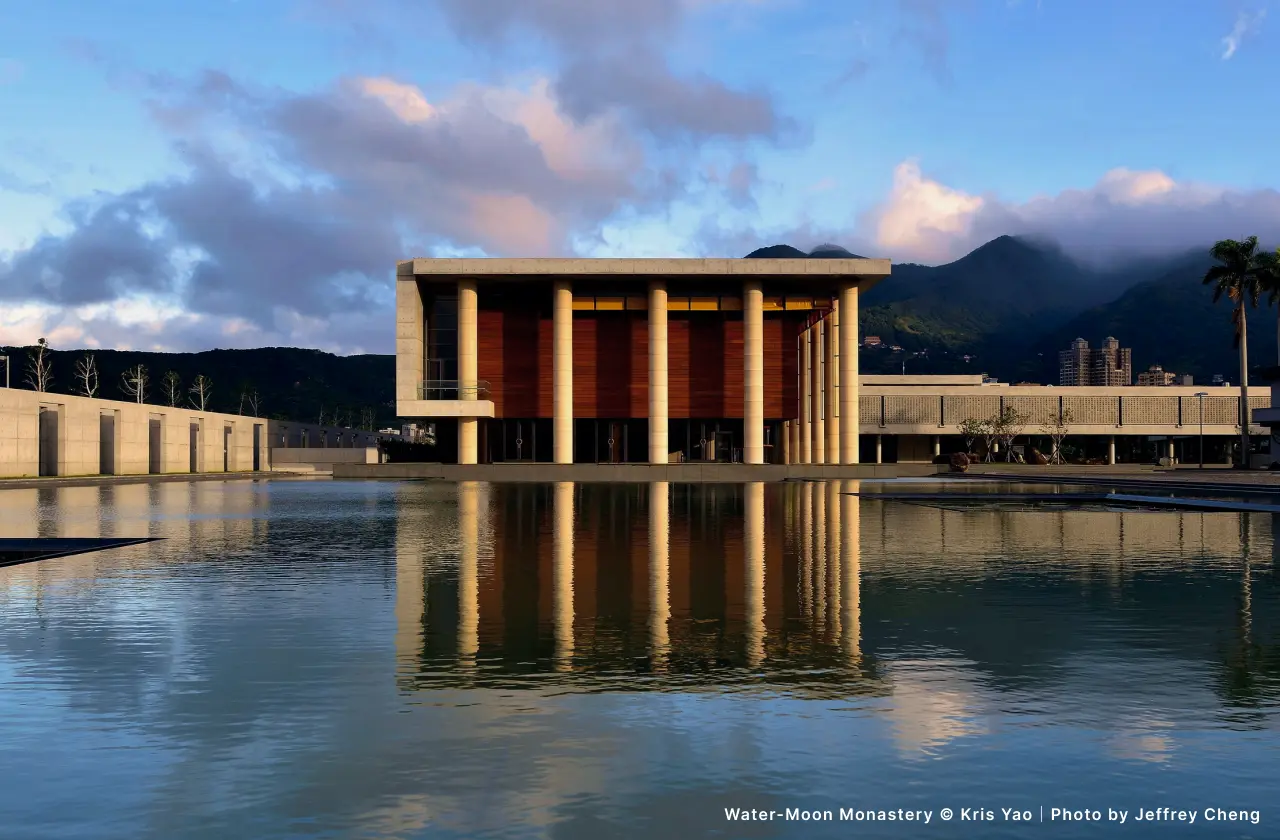
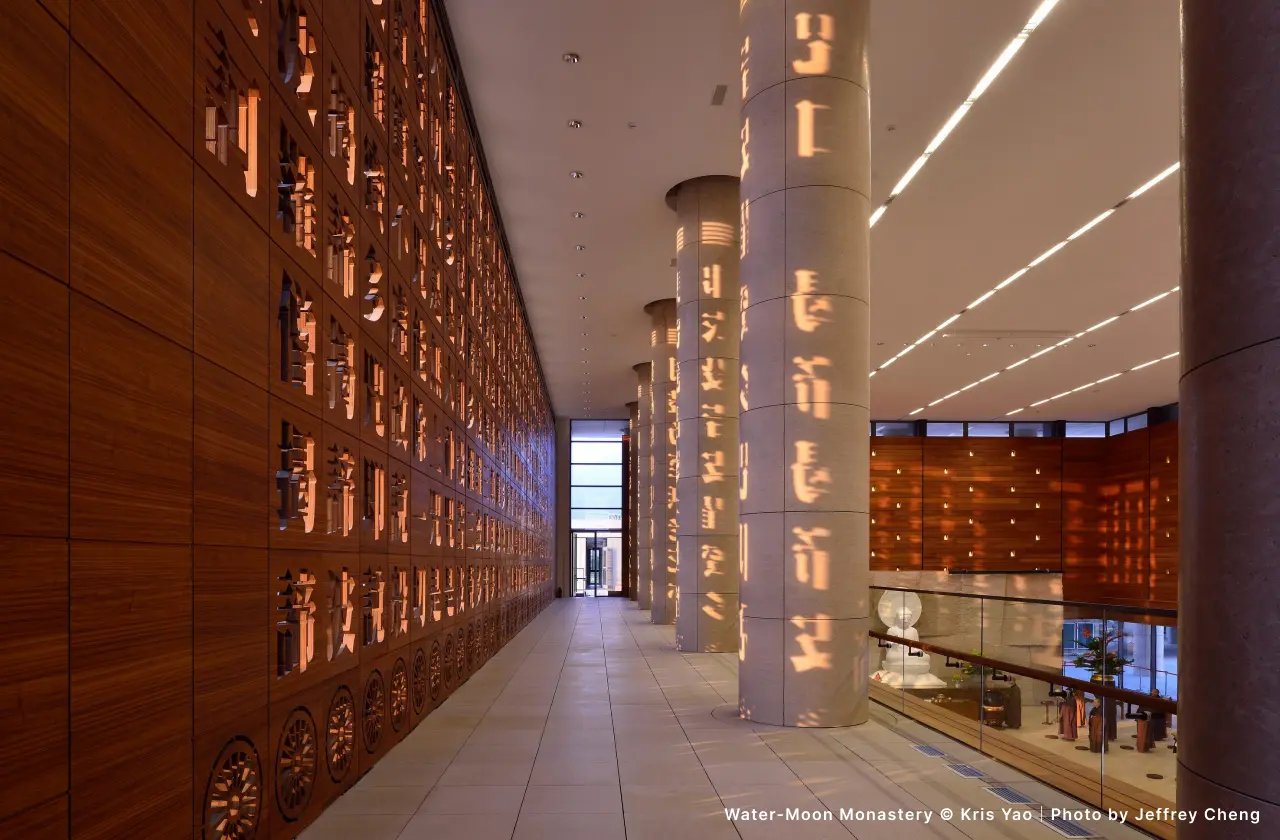
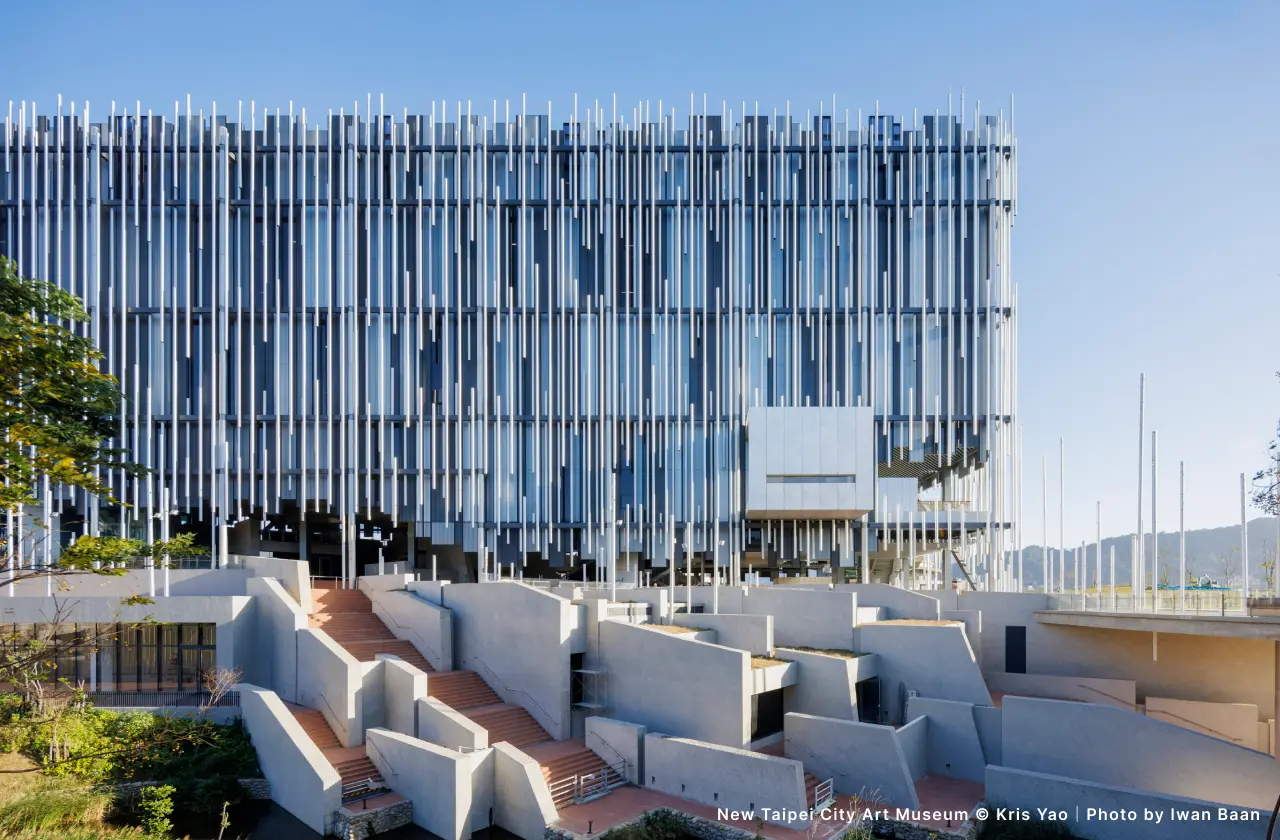
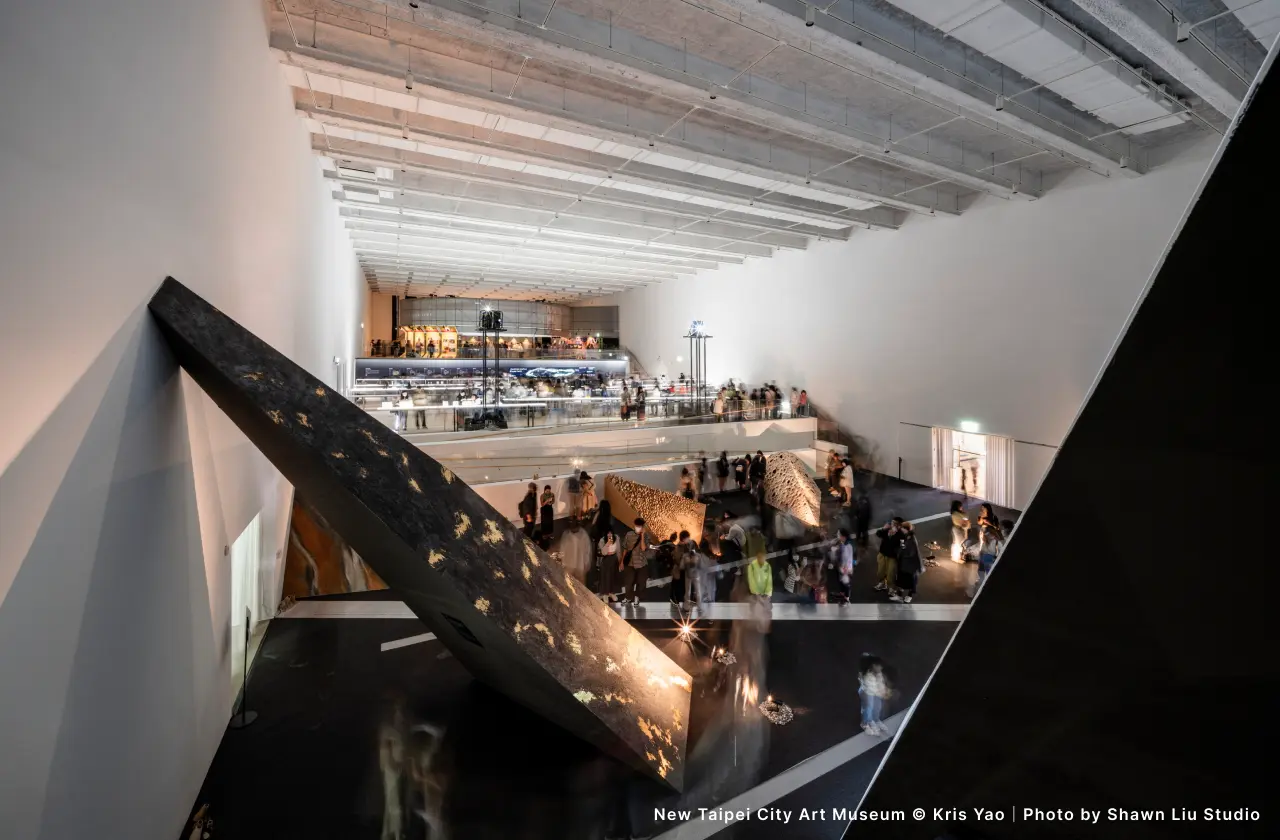
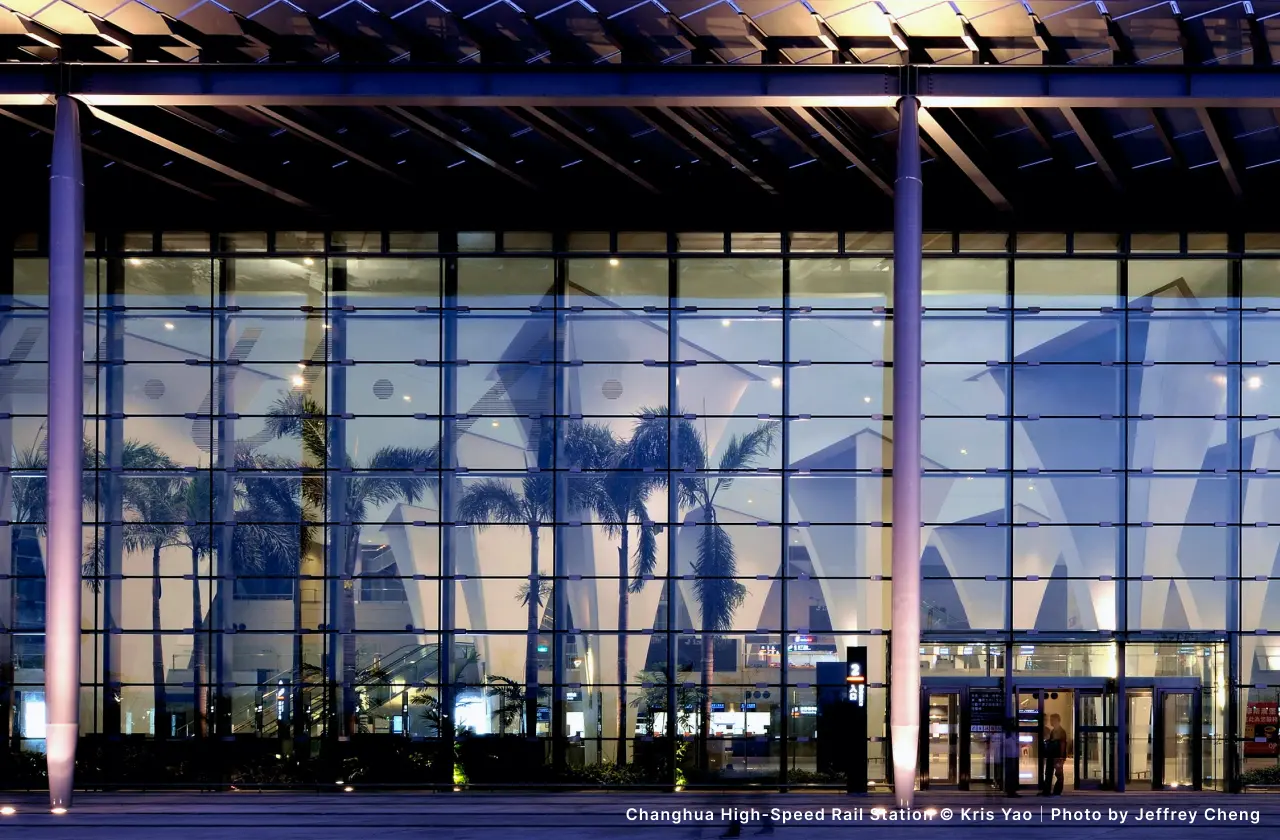
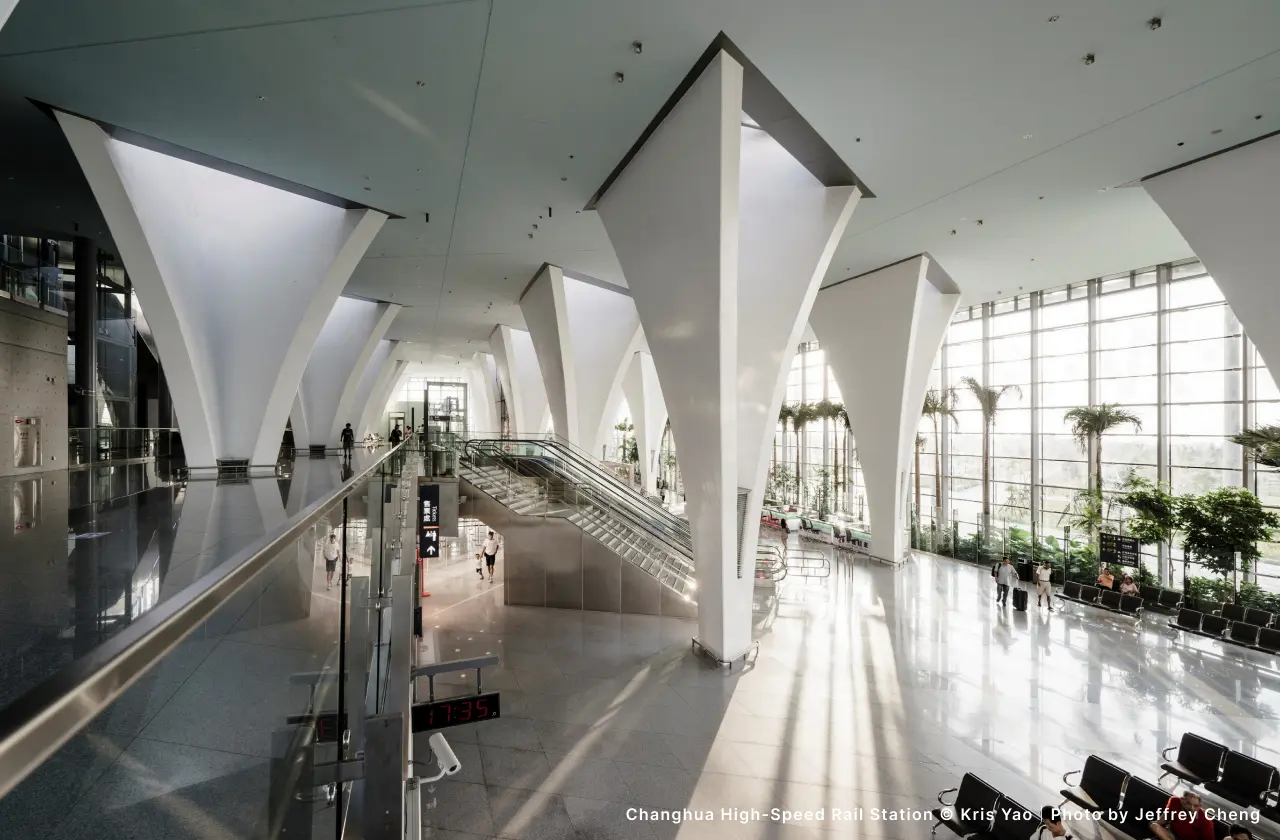
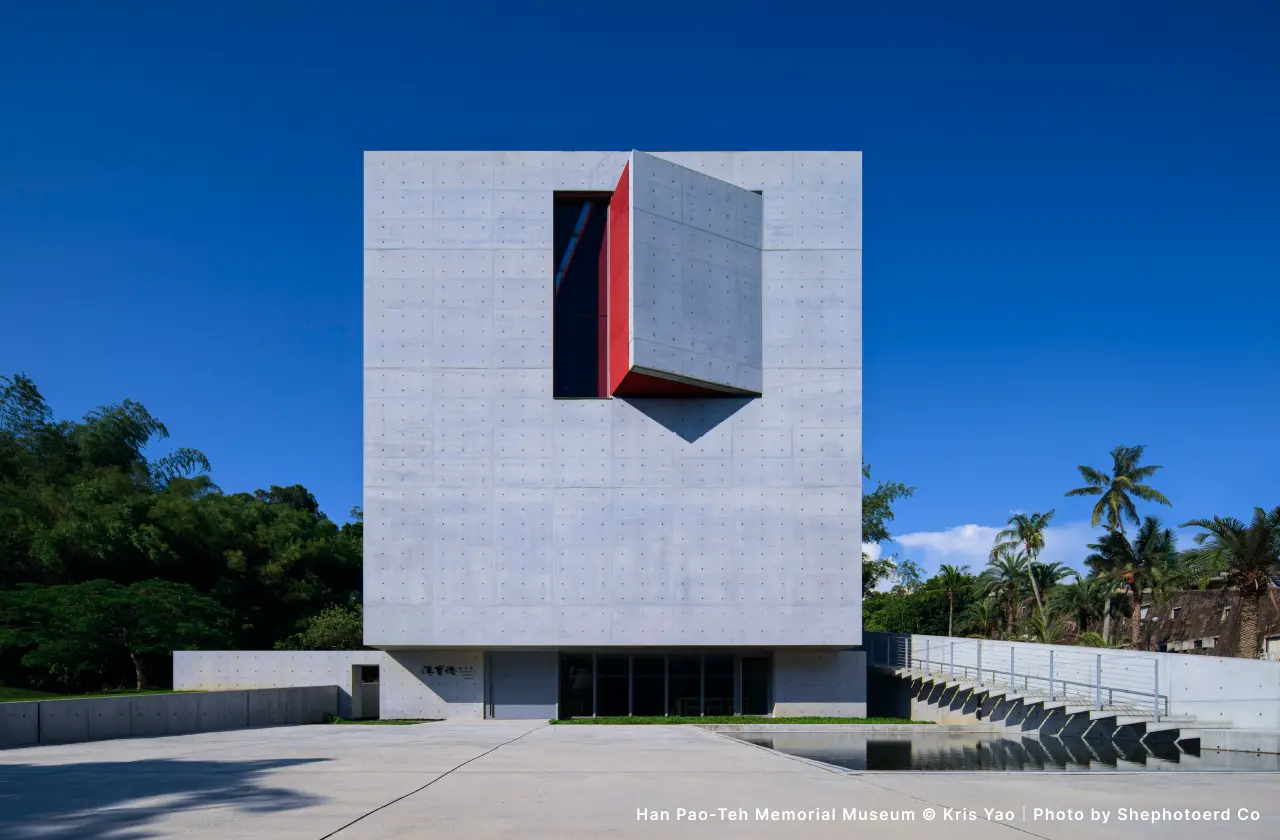
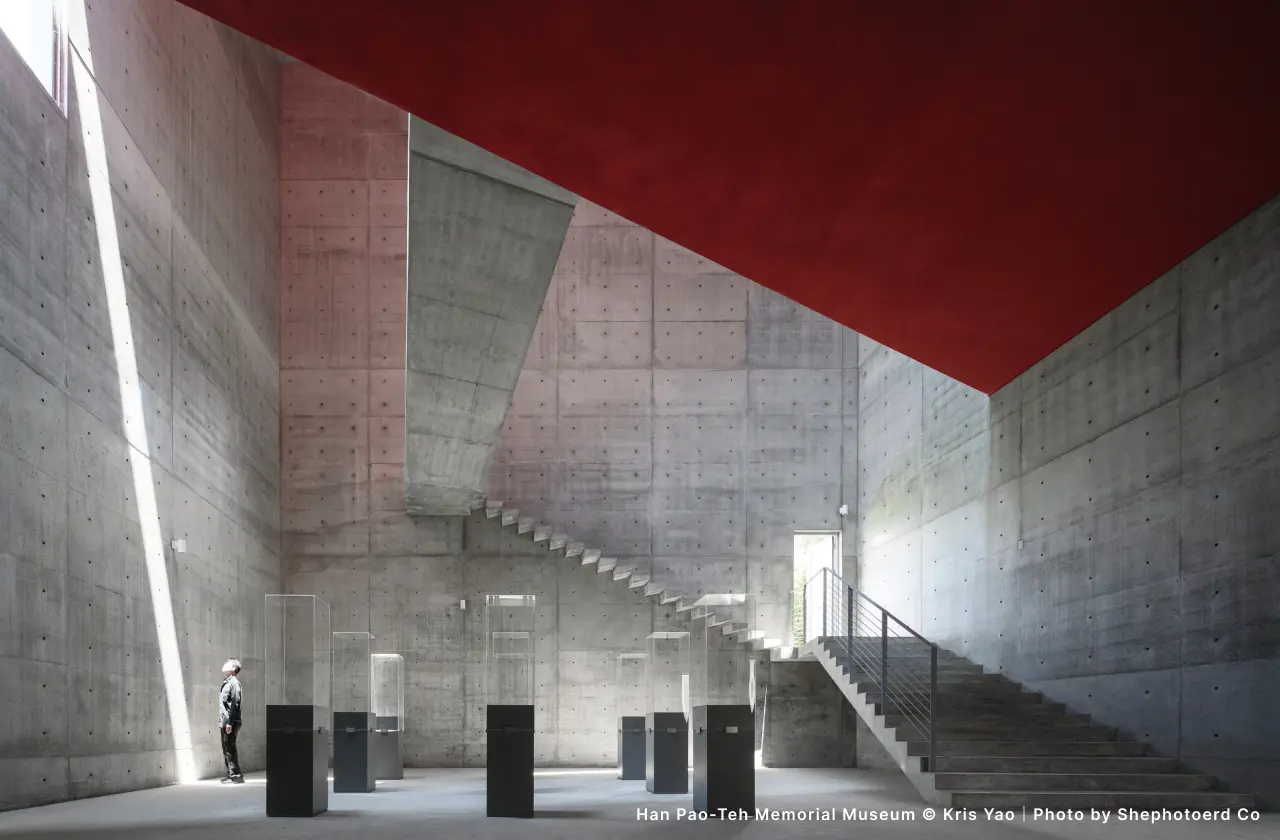
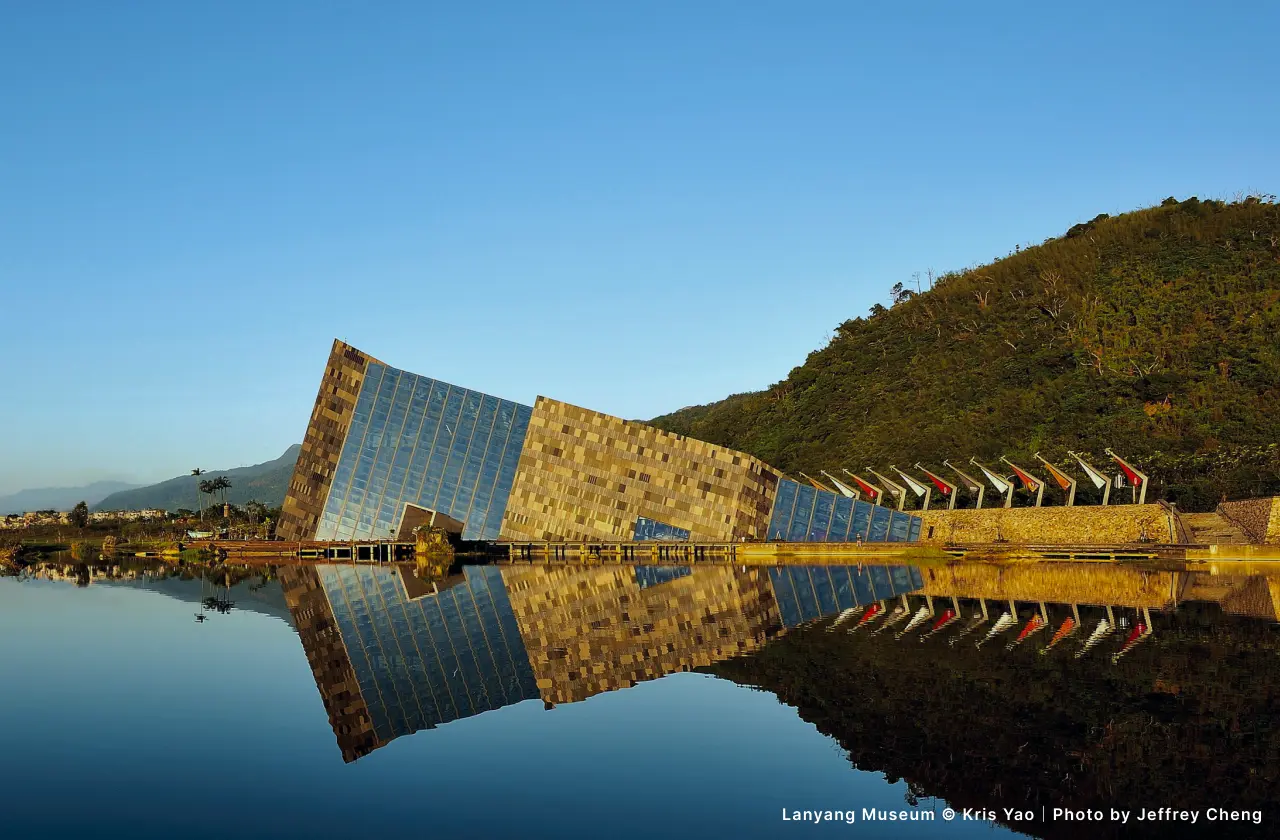
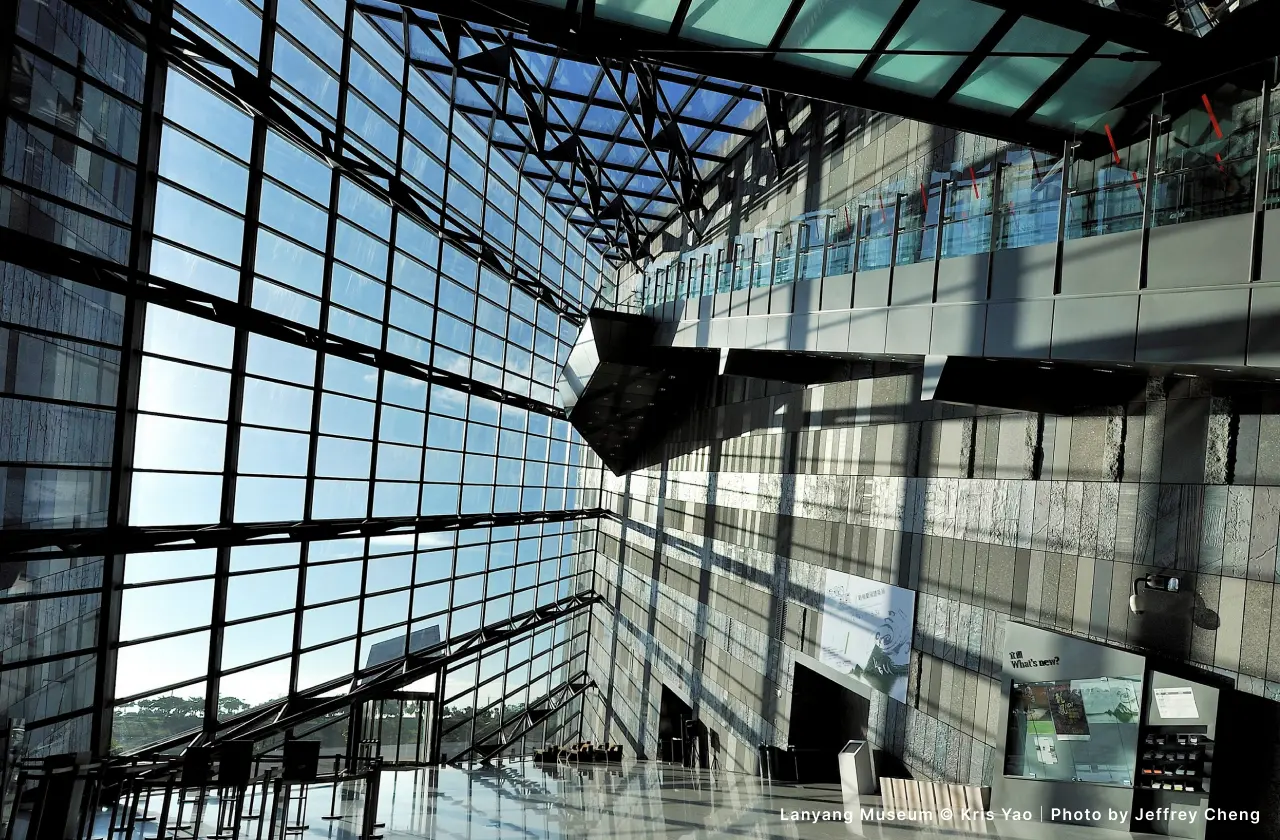
“Emotions find their dwelling in architecture”; life quietly unfolds there. Through years of contemplative practice, Kris Yao has cultivated a heightened sensitivity to both environmental change and human experience. At Water-Moon Monastery, he crafted an atmosphere of rare stillness and serenity. At NTU Cosmology Hall, he invites visitors to remain aware of the continuous movement of the cosmos. At Lanyang Museum, he distilled the essence of Yilan’s dramatic landscape—its mountains, coastline and sea—into the setting of Wushih Harbor. Through the interplay of natural light and shadow, the fluid choreography of space, and a rich palette of materials, his work, grounded in contemporary artistry and enabled by advanced technology. It reinterprets and reshapes the identity of place.
Architecture spans an extraordinary range of disciplines. Kris Yao broadens his perspective through travel, reading, and immersing in film and theater. “I truly enjoy embracing unexpected detours along the way,” he reflects, “allowing myself to step beyond my comfort zone and venture into the unknown.” He believes that when we occasionally loosen our grip on fixed destinations, we open ourselves to experiences beyond the familiar. In doing so, we discover the world in ways that are often more vivid, enriching, and unexpected.
In fact, prior to this, Kris Yao had never designed a hospital. “Among all building types, the two I find most complex are theaters and hospitals.” A hospital is a place where the full arc of human life unfolds, from birth and aging to illness, and farewell. Beyond patients themselves, families, doctors, and nurses also inhabit this environment, making the psychological dimension of space profoundly important.
Through the power of architecture, he shapes light, shadow, and space with a deeply human-centred sensibility. Every detail is carefully considered, creating an environment that supports healing while offering comfort and reassurance to patients, families, and healthcare professionals alike.