
Technology Transforming Care
A Future Without Limits
“My connection with smart healthcare began nearly fifty years ago,” recalled C. C. Leung, Co-Founder and Vice Chairman of Quanta Computer.
“Half a century ago, we created the first LCD watch capable of displaying time. Even then, we envisioned that watches would one day synchronize automatically and provide useful information for daily life. Looking further ahead, we imagined devices that could measure physiological indicators such as pulse, blood pressure, oxygen saturation, and blood glucose. With proper analysis, these data could reflect a person’s condition in real time and help everyone to live a healthier life.” Today, as medicine and technology become increasingly integrated, applications such as wearable devices, big data, and AI have become part of everyday life.
In recent years, the passing of close friends and loved ones has further impressed upon him the importance of both advanced medical technology and compassionate care. This experience inspired him to become actively involved in the planning and development of a hospital designed for the future.
A single, humble seed may begin as a bold idea, yet grow and flourish, in ways that reshap how we live. With its deep roots in technology and years of collaboration with institutions such as the Massachusetts Institute of Technology, Quanta brings both confidence and vision to the future of smart healthcare. Miniaturization and AI are set to become defining trends in medicine, fostering deeper collaboration and integration across industries.
As new technologies and applications continue to emerge, hospitals serve as vital environments where innovation can be tested, realized, and translated into meaningful benefit for society. The evolution of technology, from isolated developments to interconnected systems, and further into its integration with healthcare and culture, reflects an inevitable trajectory. The establishment of Jumin Hospital stands as a natural extension of Taiwan’s strengths in both advanced technology and healthcare. It represents a responsibility embraced with purpose.
The rapid growth of the technology industry has not only elevated Taiwan’s overall economic standing, but also driven innovation across related sectors and accelerated industrial transformation. In healthcare in particular, National Yang Ming Chiao Tung University stands as a model of institutional integration, bringing together the strengths of both medicine and engineering. Through the application of technology, it blazes the trail to new forms of care once beyond reach.
Within this broader movement, Jumin Hospital is poised to play a vital role. By integrating AI and smart technologies, it will continually refine care pathways and enhance the precision of diagnosis and treatment. This approach support more personalized care while bringing greater convenience and efficiency to healthcare services.

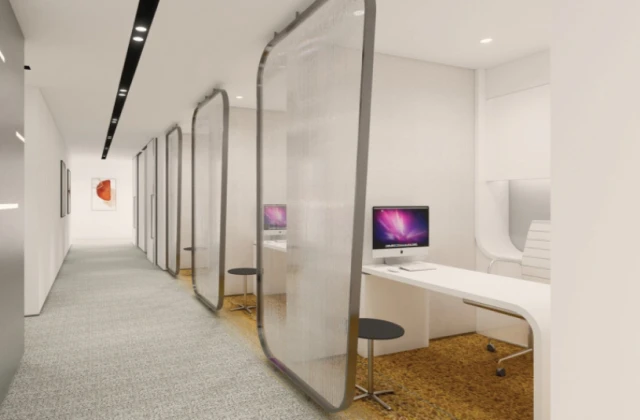
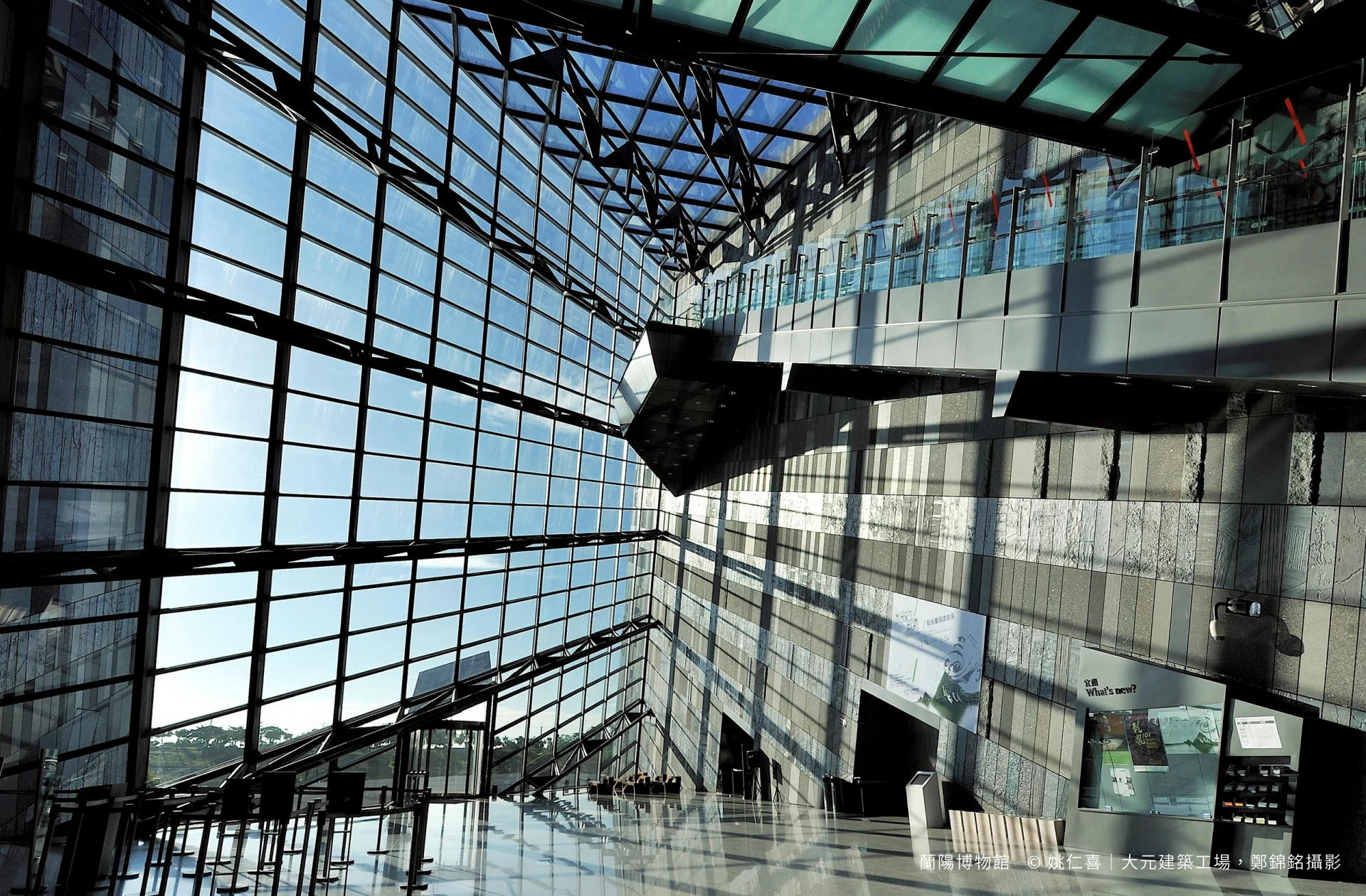
Mr. Leung brings a distinctive perspective to architecture and spatial design. At Bellavita, the emphasis lies on openness and comfort in spatial design. At National Taiwan University’s Cosmology Hall, the use of natural light and shifting shadow bring together technology and the humanities, creating a space that inspires learning and reflection. This same commitment is carried into Jumin Hospital. With careful attention to space, light, and function, the environment is designed to feel bright and calming from the moment one enters, easing the anxiety often associated with illness. Mr. Leung hopes that every visitor will feel serene and comforted, while receiving the highest standard of professional care.
Jumin Hospital aspires to set a new benchmark in human-centered healthcare, redefining how care shapes and enhances everyday life.